

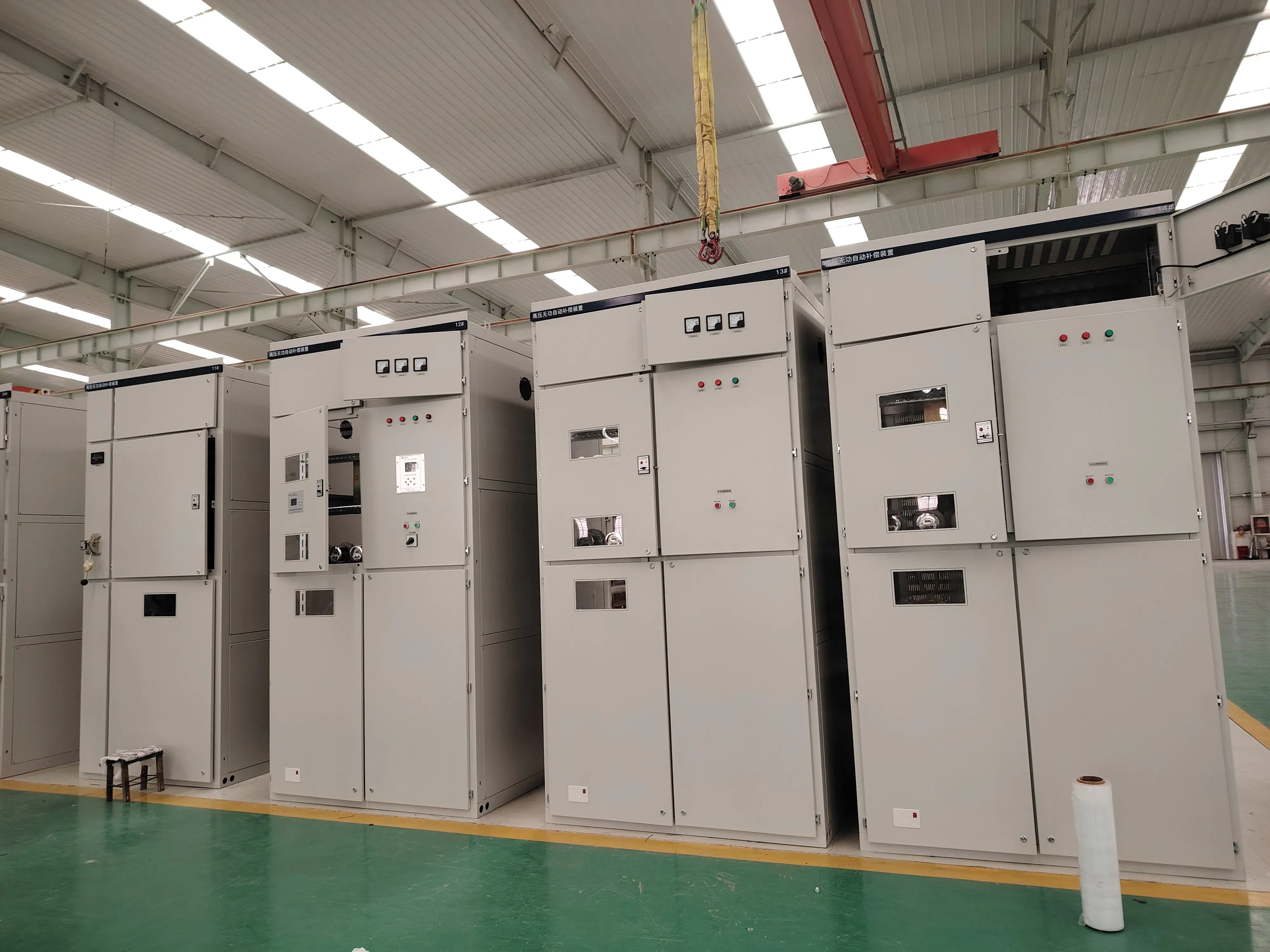
What Is Reactive Power Compensation? Types, Benefits, and Industrial Applications
Reactive power compensation is an important technology for improving power factor, maintaining voltage stability, and optimizing the operating performance of industrial electrical systems. It is widely used in manufacturing plants, commercial buildings, power distribution networks, renewable energy projects, and other applications with significant reactive power demand.
Understanding what reactive power compensation is, how it works, and how to select the right compensation technology can help businesses improve electrical system efficiency and maintain a reliable power supply.
Shandong Dongguan Electric Co., Ltd. provides power quality solutions, including automatic reactive power compensation systems, active power filters (APF), active harmonic filters (AHF), and static var generators (SVG) for industrial and commercial applications.
1. What Is Reactive Power Compensation?
What is reactive power compensation? Reactive power compensation refers to the process of supplying or controlling reactive power near electrical loads to reduce the amount of reactive power that must be transmitted from the upstream power grid.
To understand the meaning of reactive power compensation, it is important to distinguish between three electrical power parameters:
- Active Power (kW): The power used to perform useful work, such as driving motors, heating materials, and operating production equipment.
- Reactive Power (kvar): The power associated with the periodic exchange of energy between the power supply and reactive components in electrical equipment to establish magnetic or electric fields.
- Apparent Power (kVA): The total electrical capacity that a power system must supply, influenced by both active power and reactive power.
Inductive loads, including induction motors, transformers, welding equipment, and industrial compressors, typically require reactive power. If this reactive power is supplied entirely by the upstream grid, it increases current flow and uses part of the available capacity of transformers, cables, and other distribution equipment.
Reactive power compensation addresses this issue by supplying or regulating reactive power close to the load. A properly designed compensation system can improve displacement power factor, reduce unnecessary current flow through the distribution network, release electrical capacity, and help control voltage.
2. Why Is Reactive Power Compensation Necessary?
Why is reactive power compensation necessary? This is a common question among electrical engineers, factory managers, and facility operators.
Excessive reactive power demand in industrial electrical systems can cause several problems.
2.1 Improve Power Factor
A low power factor means that the system must handle more apparent power to deliver the same amount of active power. Reactive power compensation can improve displacement power factor and help industrial facilities meet power factor requirements specified by their electricity suppliers.
2.2 Reduce Current and Electrical Losses
For a given active load and voltage, improving power factor can reduce the current required by the system. This helps reduce resistive losses in cables and transformers and can minimize unnecessary heat generation.
2.3 Release Transformer and Cable Capacity
Reactive power uses part of the rated capacity of transformers and distribution equipment. By reducing the reactive power transmitted from the upstream grid, compensation can free up some capacity for additional loads. The actual benefit depends on the specific electrical system.
2.4 Improve Voltage Stability
Reactive power affects voltage levels throughout an electrical network. Appropriate reactive power compensation helps maintain voltage within the required operating range, particularly in systems with large motors, rapidly changing loads, or long distribution lines.
2.5 Reduce Power Factor-Related Charges
Some electricity tariff structures impose additional charges related to low power factor or reactive energy consumption. Effective reactive power compensation may help reduce these charges, depending on local tariffs and utility requirements.
Therefore, reactive power compensation is an important part of industrial power quality management.
3. What Role Do Capacitors Play in Reactive Power Compensation?
What role do capacitors play in reactive power compensation? Capacitors are among the most widely used components for compensating inductive reactive power.
When connected to an electrical system, capacitors supply capacitive reactive power near the load. When used together with inductive loads, they offset part of the reactive power demand, reducing the amount of react